Floods are among the biggest threats to homes and businesses, especially during heavy rainstorms. Water can quickly overwhelm streets, yards, and basements, leaving behind expensive damage. Storm drains are the quiet protectors working in the background to keep your home or business dry.
They often go unnoticed when working properly, but once clogged, the impact is immediate: water starts pooling, flooding creeps in, and repair bills skyrocket. Keeping storm drains clear is one of the smartest ways to protect your property from costly disasters.
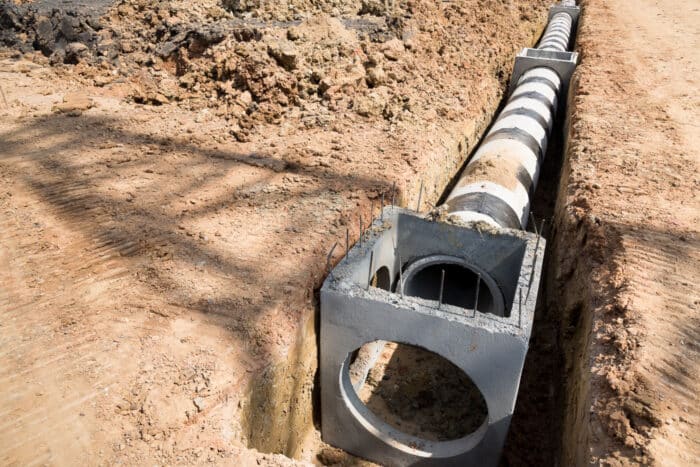
Think of storm drains as your property’s safety net during heavy rain. Their primary job is simple yet crucial: to collect excess water and redirect it away from your home, driveway, parking lot, or street.
Without them, water pools around foundations, erodes soil, and seeps into basements. With them, stormwater runoff moves safely into underground systems designed to carry it away.
Water damage is the second most common insurance claim in the U.S. That means clogged or poorly maintained storm drains can put you at serious financial risk.
Imagine a summer storm. In one neighborhood, clean storm drains whisk water away. Driveways stay clear, lawns intact, and basements dry. Next door, clogged drains back up, water rises against the foundation, carpets soak, and repairs become a nightmare. That’s the difference storm drains make.
But that protection only works if your stormwater drains are clear of debris like leaves, dirt, and trash. Neglect leads to flooding, erosion, and even structural damage.
Understanding the different types of storm drains helps you know what’s on your property and how to care for it.
Residential Storm Drains
For homeowners, storm drains are typically smaller systems:
Residential storm drains protect more than just your home’s structure. They keep gardens from washing away, driveways from flooding, and your foundation from water seepage.
Commercial Storm Drains
Businesses face bigger challenges because large areas like parking lots or industrial yards collect massive amounts of water. Commercial storm drains are designed to handle that volume and keep operations running. When they’re clear, employees and customers stay safe, and businesses avoid expensive shutdowns from flooding. When they’re blocked, however, entire properties can grind to a halt.
Knowing what type of storm drain you have helps you understand how it works, what problems to watch for, and how to keep it in working order.
A clogged storm drain becomes ineffective. Leaves, branches, dirt, trash, and even oil buildup can block water flow. And when storm drains can’t carry water away, flooding happens fast.
On the other hand, clean storm drains mean:
It’s always cheaper and easier to prevent flooding than to repair it afterward. That’s why clearing stormwater drains before the rainy season is one of the smartest maintenance moves you can make.
Want to keep your drains working? Here’s a practical checklist:
Storm drain cleaning is essential. It protects your property, your wallet, and your peace of mind.
When storm drains fail to work properly, your entire property is at risk. At Out The Door Plumbing, we bring years of hands-on experience, a solid reputation, and full licensing and certifications, including our NC plumbing license, to every job.
We don’t believe in one-size-fits-all fixes. Instead, we offer inspections, storm drain cleaning, preventive maintenance, and complete replacements customized to your needs. Want to stretch your budget? Check out our plumbing financing options. Our high-efficiency upgrades can even help you save on water and energy long-term.
Proactive care keeps your drains working longer, prevents disruptions, and saves you from the headaches of water damage. Ready to get started? Call us today at 919-659-5350 or contact us online to schedule your consultation.


When you need a professional and trustworthy plumber, give us a call.
Schedule a CallWe show up when we say we will. We have the necessary expertise, experience, and equipment to provide reliable Raleigh residential plumbing services.
For immediate assistance, call Out the Door Plumbing now at 919-777-4383